Media
Public writing
A Philosopher’s Guide to AI Welfare
This Provision in the Farm Bill Could Wipe Out Hundreds of State Laws

Does AI Have Free Speech? Minnesota Voters May Be Asked

Support for a City Wildlife Management Plan

A Global Transition away from Industrial Animal Agriculture is Essential
The Anthropocene and Universal Animal Rights

The Ant You Can Save

The Case for a Global Ban on Industrial Animal Agriculture by 2050

The Choice of Culling or Letting Bird Flu Spread Obscures Policy Failures

When AI Seems Conscious

Support for the Hawai’i Octopus Farming Ban

Support for the Oregon Octopus Farming Ban

Against Human Exceptionalism
Aeon (2022)
This essay examines and challenges human exceptionalism, the widespread belief that human lives carry more ethical weight than nonhuman lives. Beginning with xenotransplantation, where pigs are used as organ donors, it traces how similar reasoning underlies broader practices—factory farming, wildlife exploitation, and environmental destruction—that impose vast harms on nonhumans. Drawing on capacities-based and relationship-based arguments, the essay shows that even if humans sometimes have stronger claims, this does not justify the scale or severity of current exploitation. Instead, ethical consistency suggests that we should prioritize nonhuman animals far more than we do, and perhaps even over ourselves.
Public speaking
AI for Animals Reception
Next Steps for AI Welfare Research

NYU Environmental Law Journal Symposium
Introducing the Digital Consciousness Model, with Rethink Priorities
The Moral Status of Bugs, Bots, and Other Beings

The Moral Circle

Animals and the Constitution, with John Adenitire and Raffael Fasel
Debate: To Shrimp or Not to Shrimp

AI, Animals, and the Law: The Basics

The Case for Integrating Animal and AI Welfare

How AI Is Helping – and Harming – Animals

A Bill of Rights for Animals, with Cass Sunstein
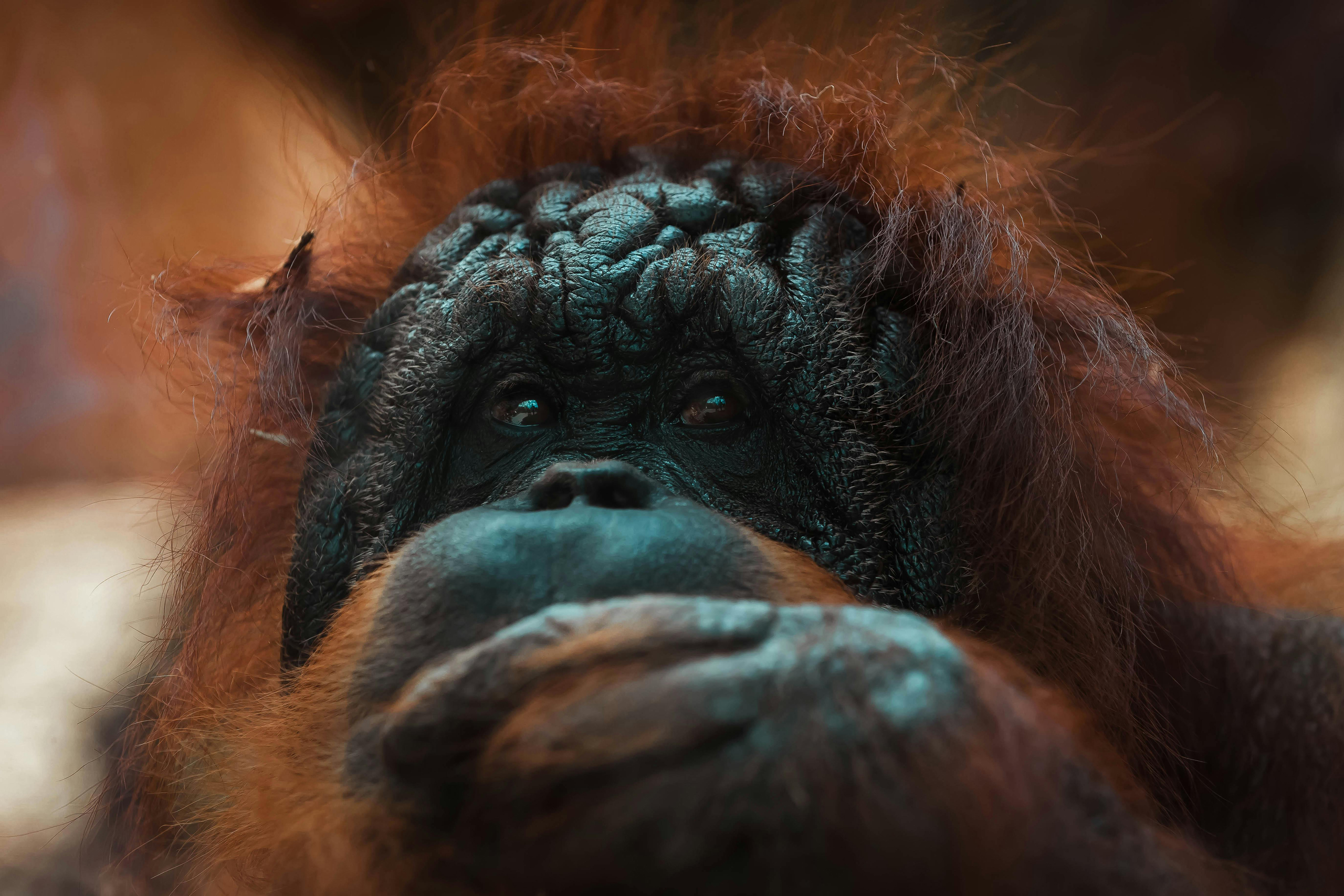
The Case for Nonhuman Personhood
Harvard University School of Law (2019)
Under current U.S. law, one is either a “person” or a “thing.” If you are a person, you have the capacity for rights. If you are a thing, you do not. And unfortunately, all nonhuman animals are currently considered things under U.S. law. In this talk, I present the case for nonhuman personhood. I consider the four main conceptions of personhood that U.S. courts have cited: a species conception, a social contract conception, a community conception, and a capacities conception. I conclude that if we insist on classifying every being as either a person or a thing, and if we want to be both consistent and inclusive, then we have no choice but to accept that nonhumans can be persons too. This talk is based on an amicus brief that a group of 17 philosophers, including me, submitted to the New York Court of Appeals in Spring 2018 in support of the Nonhuman Rights Project, and a book that 13 of these philosophers, including me, published in Fall 2018.
Coverage and Interviews
AI Has Learned to Panhandle
AI Agent Platform Reinvents Spam, Floods Inboxes Worldwide
Sentient AI’s Bigfoot Era Could Arrive at Any Moment
Jeff Sebo on Consciousness, Risk, and Responsibility
Can Chatbots Feel – or Even Dream?

Calls to Rein in AI Grow
AI Slop Is Ruining Cute Animals on the Internet

The Case for Telling Claude “Please” and “Thank You”
AI Can Never Suffer the Way Humans Do

America’s Sloppiness Could Boost China’s AI Race

New Documentary Wild Inside Examines the Controversy Behind Flaco the Owl

People Trust AI More Than Politicians to Speak the Truth

Jeff Sebo on Digital Minds, and How to Avoid Sleepwalking into a Major Moral Catastrophe
The 80,000 Hours Podcast (2023)